
One Is an Ingredient
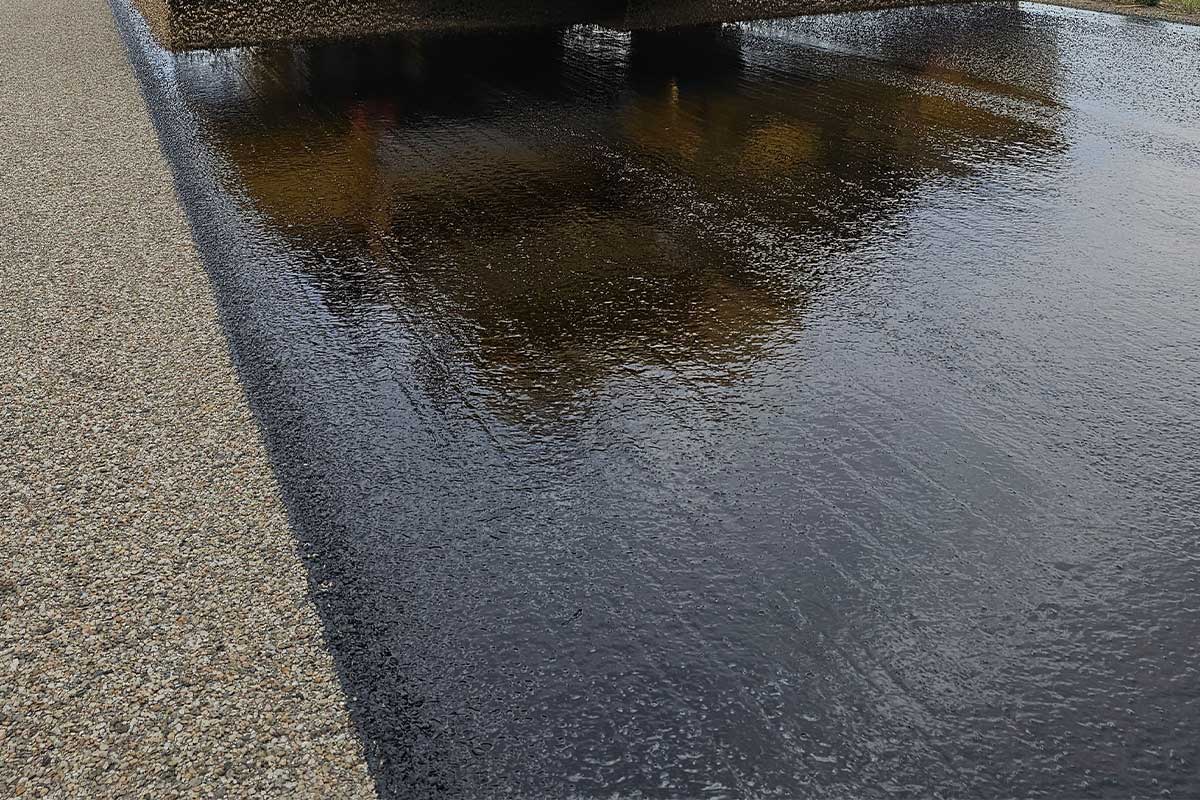
Bitumen is the black binder. Asphalt is the full mix of stone, sand and bitumen that becomes your surface.
Different Best Uses
Hot mix suits driveways and car parks where finish matters, while bitumen surfacing shines on long driveways and roads.
The Technical Difference: Asphalt vs Bitumen
In the asphalt vs bitumen comparison, the surprise for most people is that one is actually an ingredient of the other. Bitumen is the sticky black binder that comes from refining crude oil. Asphalt is the complete paving material. It blends graded stone, sand and bitumen together while hot. A paving machine lays it, and rollers compact it into a dense, smooth surface.
In everyday Australian conversation, people swap the two words constantly, and a “bitumen driveway” can describe more than one thing. On roads and long rural entrances it often means a sprayed seal. There, crews spray hot bitumen onto a prepared base, then cover it with stone chips and roll them in. On residential jobs it frequently just means a dark, compacted driveway surface that contractors quote and build much like asphalt.
That is why the label on a quote matters less than the construction underneath it. What counts is the mix, the thickness of the layer and the quality of the base. Two quotes with different names can describe the same surface, and two quotes with the same name can describe very different ones.
Pros and Cons for Driveways and Roads
Hot mix asphalt gives the smoothest, densest finish for home driveways and car parks, while bitumen surfacing covers large areas economically, which is why it dominates long rural driveways and country roads.
Hot Mix Asphalt
- Smooth, dense finish that looks sharp on any frontage.
- Handles turning traffic and daily use with less scuffing.
- Easy to repair in sections and to resurface late in life.
- Higher upfront rate, strongest value on suburban areas.
Bitumen Surfacing
- Economical way to surface long driveways and big areas.
- Efficient to install over a well prepared base.
- Coarser texture, with some loose stone early in its life.
- Needs periodic resealing to stay tight and waterproof.
Neither option is universally better. A tight suburban driveway with a garage tie-in favours hot mix, while a 200 metre rural entrance is exactly the job that suits bitumen surfacing. Traffic, gradient, budget and the finish you want to live with are what actually decide it.
A Simple Checklist to Help You Decide
Run your project through six questions: how long is the surface, what traffic will it carry, how steep is it, what finish do you want, what budget applies, and how much maintenance suits you.
Choose With Confidence
Work down the list and a clear favourite usually appears before you reach the end.
The Six Questions:
- Length and Area: Short suburban driveways favour hot mix, long rural runs favour bitumen surfacing.
- Traffic: Frequent turning, trailers and daily comings and goings all point to hot mix.
- Gradient: Steep driveways need a site-specific assessment of surface texture, drainage and vehicle traction before choosing a surfacing system.
- Finish: If presentation at the street matters, hot mix gives the cleaner look.
- Budget: Bitumen surfacing wins on rate for big areas, hot mix wins on lifetime smoothness.
- Maintenance: Hot mix asks for occasional small repairs, a seal asks for periodic resealing.
Both options are core services for our team. See the bitumen paving page for sealed surfacing work, our hot mix asphalt page for material and installation details, or the asphalt driveway page for residential applications. We will give you a straight recommendation for your site.
Frequently Asked Questions
The questions below cover what Adelaide property owners most often ask once the asphalt vs bitumen decision is on the table.
Which lasts longer, hot mix or a bitumen seal?
A well built hot mix surface generally offers the longer run between major works, especially under turning traffic and daily use.
A sealed surface remains a durable choice for its intended use, provided you reseal it when the surface starts to open up.
Can I upgrade a bitumen driveway to hot mix later?
Often, yes. A sound, well drained surface can take a hot mix overlay to gain a smoother, denser finish.
We assess the existing driveway first, because any soft or failed sections need correcting before the new layer goes down.
Why do country roads use a bitumen seal instead of hot mix?
Sprayed seals can be economical for long roads and large areas. Actual costs depend on preparation, specification, access and maintenance requirements.
Where traffic is heavier or turning movements concentrate, road builders switch to hot mix for its extra durability.
In the end, asphalt vs bitumen is less a contest than a matching exercise. The same binder does two different jobs in two different ways. Match the method to your length, traffic and finish, and the surface will reward you for years.
Not sure which side your project lands on? Request a free quote and our team will look at the site, explain both options honestly and price the one that fits.