
2 Products
Spray seal and hot mix asphalt are related but built differently, priced differently and suited to different sites.
1 Right Choice
The better surface depends on your traffic, block size and budget, not on which product is newest.
Spray Seal vs Asphalt: What Is the Difference?
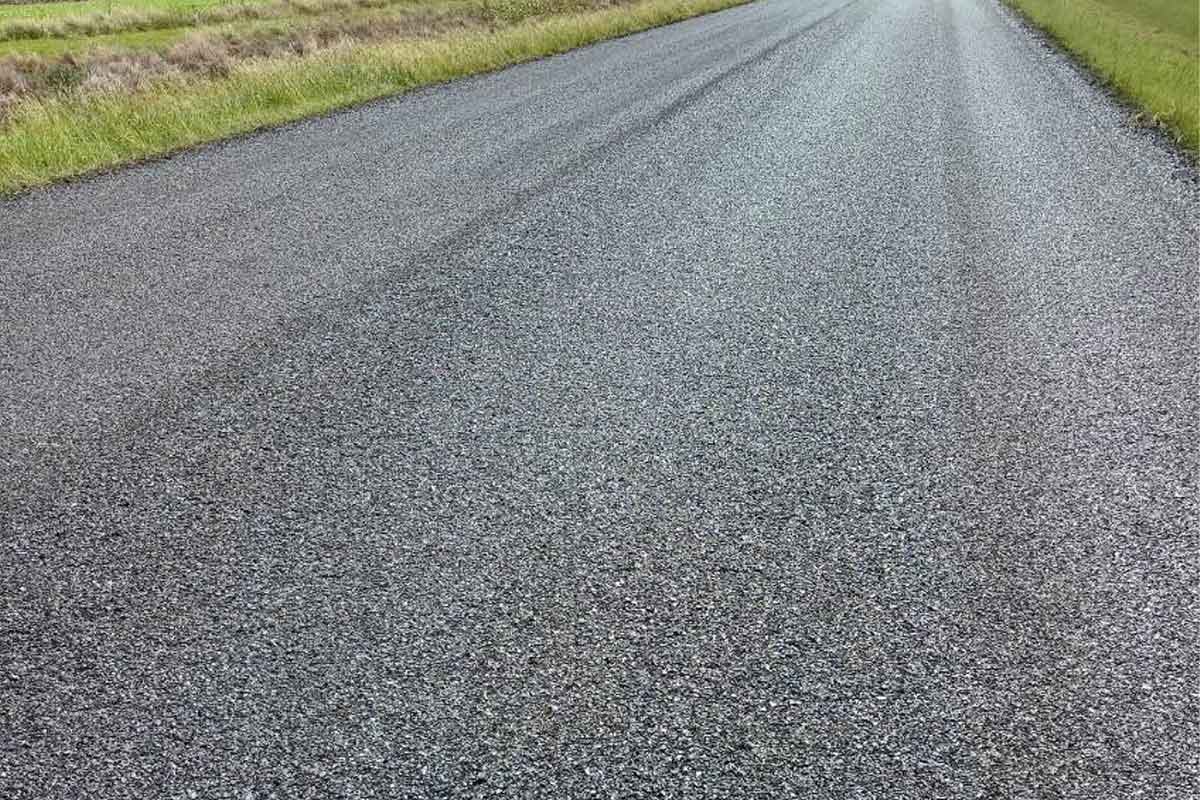
The spray seal vs asphalt question comes down to construction. A spray seal is hot bitumen sprayed onto a prepared base with aggregate rolled into it, while asphalt is a factory-mixed blend of bitumen and stone laid by machine in a thick, compacted mat. Both create durable surfaces; they simply suit different jobs and budgets.
Because the two products look similar once finished, many property owners assume they are interchangeable. They are not. Choosing the wrong one either wastes budget on strength you do not need, or delivers a surface that wears out early under traffic it was never designed for.
How the Two Surfaces Compare
Weighing spray seal vs asphalt on the three things that matter most, cost, durability and finish, gives a clear picture of where each product belongs.
Spray Seal Strengths
- Lower cost per square metre, ideal for large areas.
- Fast application over long distances and rural runs.
- Excellent grip from the exposed aggregate finish.
- Simple to reseal periodically at modest cost.
Hot Mix Asphalt Strengths
- Smoother, tighter finish with a premium street appeal.
- Stronger wearing course for turning and braking traffic.
- Longer service life in high-stress residential use.
- Easier to keep clean and line-mark for car parks.
Rural Block or Suburban Home?
This is the clearest way to settle the choice for Adelaide properties, and it is the advice we give clients every week.
Our Rule of Thumb:
- Rural & Lifestyle Properties: A long entrance multiplies every dollar per square metre. Spray seal delivers an all-weather surface across hundreds of metres at a fraction of hot mix pricing, which is why Adelaide Hills and farm driveways are overwhelmingly spray sealed.
- Suburban Homes: Shorter driveways with tight turning, daily braking and street-front presentation lean towards hot mix asphalt. The higher rate applies to a small area, and the smoother, stronger surface repays it in finish and lifespan.
- Car Parks & Commercial: Customer-facing car parks usually favour hot mix for line marking and presentation, while overflow areas and access roads are often spray sealed to control budgets.
In short, neither product wins outright. The spray seal vs asphalt decision is really a site decision, and plenty of properties sensibly use both: hot mix near the house or entrance, spray seal along the run. Gradient, soil type, drainage and even the way vehicles turn at the top of the driveway all feed into the recommendation we give on site.
Cost and Longevity in Practice
Spray seal wins on upfront cost; asphalt wins on lifespan and surface strength. Over the long term the totals are closer than the initial quotes suggest, because a spray seal is periodically resealed while asphalt runs longer between interventions.
Whichever way you lean, the base underneath matters more than the surface on top. Both products fail early over a poor foundation, so proper excavation, compacted rubble and correct falls are non-negotiable in every quote we issue.
You can read more about our spray sealing work on our spray seal and asphalt solutions page, which covers the product in more depth along with where we use it across Adelaide.
Frequently Asked Questions
These are the questions we hear most often when Adelaide property owners are weighing spray seal vs asphalt for a driveway, access road or car park.
Is spray seal cheaper than asphalt?
Yes, typically by a clear margin.
Spray sealing uses less material and lighter equipment than machine-laid hot mix, so the cost per square metre is lower. That gap is exactly why long rural driveways are usually spray sealed while smaller suburban driveways often justify hot mix.
Which surface lasts longer, spray seal or asphalt?
Hot mix asphalt generally offers a longer service life and a stronger wearing course under heavy or turning traffic.
A well-built spray seal still performs for many years, especially with periodic resealing, but asphalt holds its finish better in high-stress areas like steep or tight driveways.
Can you put asphalt over an existing spray seal?
Often, yes.
If the base underneath is sound, a hot mix overlay can be laid over an aged spray seal to upgrade the surface. A site inspection is needed first, because overlaying a failed base simply hides a problem that will reappear.
If you are still unsure which way to go, the fastest answer is a site walk. Block length, gradients, traffic patterns and budget usually point clearly to one product, or to a sensible combination of the two.
For straight advice and a fixed quote on either surface, contact our team today. We install both products across Adelaide, so our recommendation is based on your site rather than on what we happen to sell.