
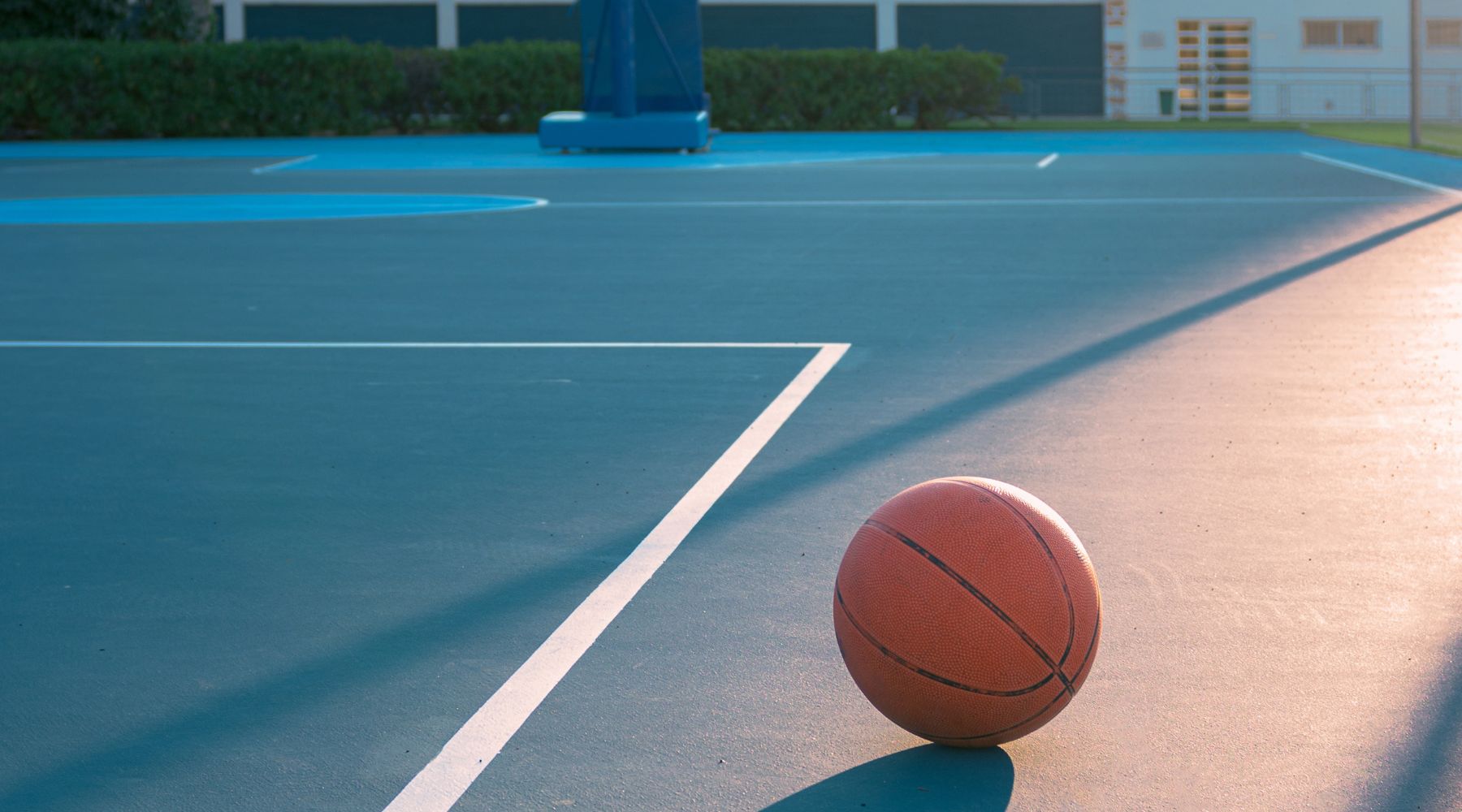
Planning a basketball or tennis court starts with the site, not the surface. Before asphalt is laid, the usable area, drainage, ground condition, access for equipment and intended court use all need to be assessed. Active Asphalt constructs and resurfaces basketball and tennis courts in Adelaide, with the asphalt works planned around the condition of the site and the proposed finish.
This guide explains what homeowners, schools, clubs and facility managers should confirm before requesting a quote. Final dimensions, levels and construction specifications are set after a site assessment rather than assumed from a generic plan. Active Asphalt’s workmanship is backed by a 12-month warranty; ask the team what is included for your project.
Key planning points
- Confirm the intended sport, available space and surrounding clearances.
- Check access for equipment and material deliveries before finalising the layout.
- Assess existing levels, drainage and ground or pavement condition.
- Decide whether the project needs a new base, local repairs or resurfacing.
- Record who will coordinate the final coating, colours and line marking.
Planning a Basketball or Tennis Court in Adelaide
A successful court needs more than a smooth top surface. The location, usable footprint, existing levels, drainage, surrounding access and intended sport all influence whether the site is suitable and how the pavement should be prepared.
Start With the Site
The playing surface depends on the stability and uniformity of the layers beneath it. The appropriate pavement design varies with the existing ground, drainage, expected use and selected finishing system. Active Asphalt assesses these factors before recommending base preparation and asphalt works; exact layer specifications should be confirmed in the written project scope.
Plan for Playability and Drainage
Consistent levels and effective drainage help limit ponding, premature deterioration and uneven playing conditions. The approved layout should also account for safe access around the court and any nearby fences, lighting, landscaping or structures. Project-specific dimensions, falls and surface tolerances require confirmation before construction.
| Planning item | Why it matters |
|---|---|
| Available area and clearances | Determines the practical court layout and surrounding access. |
| Equipment access | Affects how machinery and materials can safely reach the work area. |
| Levels and drainage | Helps manage water and supports a consistent playing surface. |
| Existing ground or pavement | Determines whether the site needs a new base, repairs or resurfacing. |
| Final surface and markings | Clarifies the asphalt, coating and line-marking responsibilities. |
New Court Construction or Resurfacing?
New construction and resurfacing solve different problems. A new court generally requires assessment and preparation of the ground and base before asphalt is laid. Resurfacing may be appropriate where an existing pavement remains structurally suitable but has surface wear or local defects. Cracking, movement, drainage problems or low spots can indicate that repairs or deeper reconstruction are needed first.
Assessing the Existing Site
The assessment should consider:
- ground, base and existing pavement condition
- drainage, levels and visible low spots
- access for equipment and material deliveries
- the intended sport, use level and proposed final finish
Preparing the Asphalt Base
Once the scope is confirmed, the work may include preparing or repairing the foundation, establishing suitable levels and drainage, and laying and compacting the asphalt layer. Dimensions, falls, layer design and surface tolerances depend on the approved design and site requirements and should be documented before work begins.
Benefits of Resurfacing Your Tennis Courts Adelaide
Resurfacing can refresh a structurally suitable tennis court and improve its appearance and playing characteristics. It is not a substitute for correcting failed foundations, movement or unresolved drainage. The existing pavement should be assessed before the resurfacing scope is selected.
Extending the Useful Life of the Court
Timely repairs and resurfacing can extend a court’s useful life when the underlying pavement remains sound. The appropriate timing depends on use, weather exposure, drainage, cracking, surface wear and the finishing system rather than a fixed number of years.
Enhancing Aesthetics and Functionality
A newly resurfaced tennis court not only looks appealing but also optimises functionality. The enhancements made during resurfacing can significantly improve traction and ball response. This not only elevates the playing experience but also contributes to an inviting and professional appearance that attracts players. Upgrading the surfaces ensures that we enjoy a blend of visual appeal and performance.
| Benefit | Description |
|---|---|
| Cost-Effectiveness | Can extend the useful life of a structurally suitable court and defer larger repairs. |
| Aesthetics | Fresh surfaces enhance the visual appeal of the courts. |
| Functionality | Improved traction and ball response boost the quality of play. |
What to Confirm Before Requesting a Quote
Providing clear site information helps the contractor assess the practical scope and identify questions that require an on-site inspection.
- Is the project a full-size, reduced-size or multi-sport court?
- What usable space and surrounding clearance are available?
- Can paving equipment and material deliveries reach the site?
- Is there an existing slab, asphalt surface, cracking or ponding?
- Could fencing, lighting, landscaping or nearby structures affect access?
- What final colours and line-marking layout are required?
- Who will coordinate any acrylic coating, line marking and reopening requirements?
Active Asphalt can assess the asphalt works, but dimensions, tolerances and finishing responsibilities should be confirmed in the written quote and approved project documentation.
Maintenance Tips for Your Tennis Courts Adelaide
Maintaining the quality of tennis courts in Adelaide is essential for optimal performance and longevity. We believe it is crucial to implement a routine that includes cleaning and inspection, as well as swift action for any minor damage repair. These practices can significantly extend the lifespan of your courts.
Regular Cleaning and Inspection
A clean court provides a better playing surface and enhances safety. Regular cleaning helps remove dirt, debris, and organic material that can cause surface degradation. We recommend scheduling routine inspections to identify any signs of wear early. This proactive approach ensures that issues are addressed before they lead to more significant complications.
Quick Repairs to Minor Damage
Even small cracks or surface imperfections can escalate if left unattended. Our maintenance tips suggest that quick repairs to minor damage should be part of your routine. Addressing these problems immediately not only ensures safety but also protects the integrity of your tennis courts. We encourage developing a structured maintenance plan that focuses on both cleaning and prompt repairs to keep your courts in excellent condition.
Custom Solutions for Every Player
At Active Asphalt, we understand that every player has unique requirements when it comes to sports courts. Our commitment to offering custom solutions allows us to cater to individual preferences and needs, ensuring an exceptional playing experience.
Tailored Designs and Colour Options
We take pride in our tailored designs, which incorporate various colour options to create tennis courts Adelaide and basketball courts Adelaide that reflect personal or organisational branding. These custom solutions not only enhance the visual appeal of the courts but also contribute to a more enjoyable environment for players.
Professional-Level Features and Markings
Final colours and markings should follow the approved court layout. Before work begins, confirm whether the project includes only the asphalt base or also covers acrylic coating, line marking and other finishing work. Any required competition or governing-body standard should be identified in the project documentation.
Conclusion
A successful court project begins with an honest assessment of the site and a clearly documented scope. Whether you are planning a new court or considering resurfacing, confirm access, drainage, existing pavement condition, the intended finish and responsibility for each stage before work starts.
For advice on the asphalt portion of basketball and tennis courts in Adelaide, contact Active Asphalt for an assessment and quote. Photos can help with the initial discussion, but final recommendations depend on the site and proposed court design.