
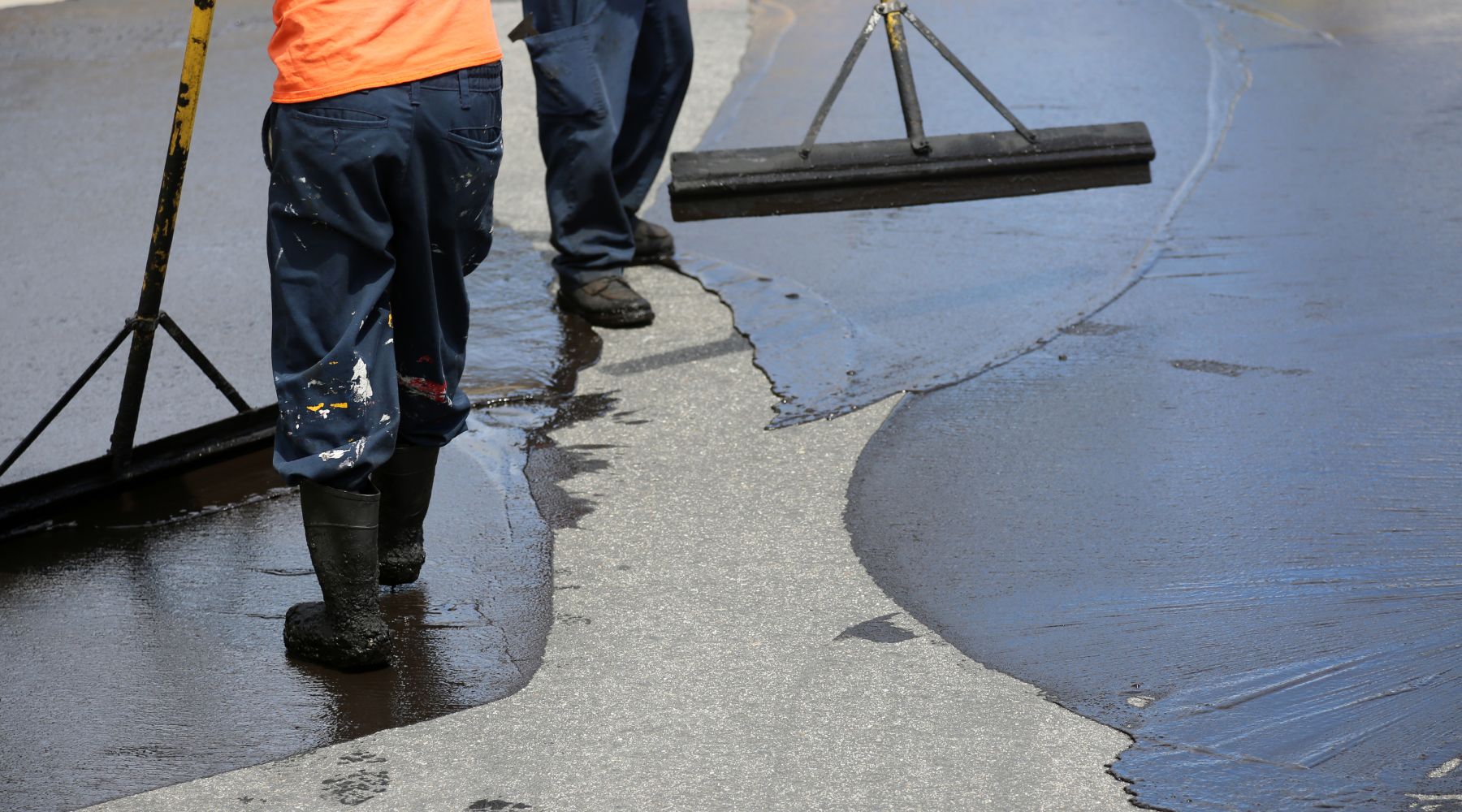
A worn driveway can drag down the look of your whole property. Driveway resurfacing gives you a fresh, smooth surface without starting from scratch.
At Active Asphalt, we help homeowners and businesses turn cracked, tired driveways into clean, modern entrances that are safer and easier to use.
Key Takeaways
-
Driveway resurfacing adds a new layer over your existing surface
-
It improves appearance and extends the life of your driveway
-
It is often cheaper and faster than full replacement
-
The right materials and contractor make a big difference
-
Good drainage and simple maintenance keep your driveway in top condition
What Is Driveway Resurfacing?
Driveway resurfacing means applying a fresh layer of asphalt or bitumen over an existing driveway that is still structurally sound.
It is ideal when you have:
-
Small cracks
-
Faded, worn areas
-
Light surface damage
-
Stains and minor imperfections
The base stays in place. You get a new, smooth surface on top.
Why Resurface Instead of Replace?
Full replacement is sometimes needed, but not always.
When Resurfacing Makes Sense
Resurfacing can be a smart choice when:
-
The base is stable and not moving
-
Damage is mostly on the surface
-
You want a visual upgrade without major works
-
You need a quicker, lower-cost option
Key Benefits
-
Better street appeal – your driveway looks new again
-
Cost-effective – usually cheaper than starting over
-
Less disruption – faster to complete, less mess
-
Added lifespan – gives your driveway many more years of use
Choosing the Right Material
For most homes, asphalt is the preferred option. Bitumen can be better for some heavy-use or commercial areas.
Asphalt for a Smooth, Modern Look
An asphalt driveway suits many residential properties because it:
-
Looks neat and modern
-
Feels smooth to drive and walk on
-
Handles regular cars, utes, and light trucks
-
Is easier to repair and refresh over time
Bitumen for Tougher Conditions
Bitumen can be a good choice when:
-
There is regular heavy vehicle use
-
The drive is part of a commercial or industrial site
-
Strength and function matter more than looks
In both cases, using quality materials helps your driveway last longer in Australian conditions.
The Driveway Resurfacing Process
Knowing what to expect makes the project easier to plan.
Step 1 – Inspection and Assessment
-
Check the current driveway for cracks, potholes, and soft spots
-
Look at drainage and where water goes
-
Confirm the base is sound enough to resurface
Step 2 – Preparation
-
Clean the surface thoroughly
-
Remove loose material, weeds, and debris
-
Fill cracks and repair small damaged areas
Step 3 – Applying the New Surface
-
Lay a new layer of asphalt or bitumen across the driveway
-
Spread the material evenly
-
Shape the surface for correct water run-off
Step 4 – Compaction and Curing
-
Compact the surface to remove air gaps
-
Allow time for the surface to cure and harden
-
Keep vehicles off the driveway until your contractor says it is ready
Step 5 – Final Check
-
Inspect the surface for low spots, bumps, or visible issues
-
Confirm drainage is working properly
-
Tidy edges and access areas
Common Problems That Lead to Resurfacing
Resurfacing is often needed when certain issues appear.
Cracks and Potholes
-
Small cracks can grow over time
-
Water gets in and weakens the base
-
Potholes form when broken sections break away
Resurfacing after repairs helps stop the damage spreading and restores a safe surface.
Drainage Issues
-
Water sitting on the driveway causes damage
-
Poor drainage can lead to soft spots and sinking
-
Resurfacing is a good time to improve falls and run-off
Fixing drainage at the same time as resurfacing gives you a stronger, longer-lasting driveway.
Looking After Your Resurfaced Driveway
A few simple habits will help your new surface stay in good condition.
Maintenance Tips
-
Sweep away leaves, dirt, and loose stones regularly
-
Clean oil or fuel spills as soon as possible
-
Keep edges, gutters, and drains clear so water can flow away
-
Watch for new cracks and arrange small repairs early
Driving and Parking Habits
-
Avoid turning your steering wheel sharply while the vehicle is not moving
-
Do not park heavy vehicles in the same spot all the time
-
Use pads under jacks, stands, or motorcycle kickstands
These steps reduce stress on the surface and help your driveway last longer.
Why Choose Active Asphalt?
Resurfacing is only as good as the team and materials behind it.
When you work with Active Asphalt, you get:
-
A local, experienced team that understands Adelaide conditions
-
Quality asphalt and bitumen mixes designed for durability
-
Clear advice on the best option for your driveway
-
A smooth, neat finish with good drainage and strong edges
We aim to deliver driveways that look great and perform well, day after day.
Ready to Revive Your Outdoor Space?
Driveway resurfacing is a simple way to:
-
Refresh the look of your property
-
Improve safety and ease of use
-
Extend the life of your existing driveway
If your driveway is cracked, tired, or just dated, resurfacing can give it a fresh start without the cost and hassle of a full rebuild.