
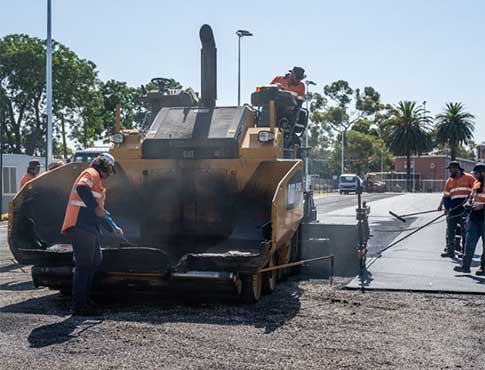
If you manage a car park, strata site, facility, or driveway, surface damage can quickly turn into complaints, hazards, and higher costs. This guide breaks down asphalt repair versus resurfacing, what each fix involves, and when it’s time to stop patching and plan a longer-term solution.
At Active Asphalt, we see the same pattern: small defects (cracks, water ingress, edge breakup) become bigger structural problems when left too long—especially in high-traffic areas.
Quick takeaway (repair vs resurface):
-
Repair = localised fixes (cracks, potholes, small failed areas)
-
Resurfacing = renewing the wearing course to restore performance and appearance (often after widespread cracking or ageing)
Who this is for
This asphalt repair guide is written for:
-
Property & facilities managers
-
Strata & body corporate managers
-
Commercial site owners (retail, industrial, medical)
-
Homeowners with damaged driveways
-
Anyone dealing with potholes, cracking, or drainage issues
If you want a fast recommendation: start with a site inspection and a clear scope. Many “repairs” fail because the base or drainage is the real issue.
Common asphalt problems
Cracks (including alligator and edge cracking)
Timely asphalt crack repairs can limit water ingress and help prevent minor damage from developing into larger pavement failures. The crack pattern usually indicates the likely cause.
What cracking often means:
-
Alligator cracking: fatigue failure, usually linked to base weakness or repeated heavy loads
-
Edge cracks: poor shoulder support, water entry, or erosion at the edges
-
Longitudinal/transverse cracks: movement, shrinkage, age, or joints opening up
Signs cracking is getting serious:
-
Cracks are widening
-
Cracks “interconnect” into a web pattern
-
You see pumping water or soft spots after rain
Typical next step: crack sealing for early-stage issues, or patch/removal if cracking is structural.
Potholes and depressions
Potholes are usually a combination of water + traffic + weakened base. They’re also a major liability risk, so urgent asphalt repair is often needed.
Common causes:
-
Water infiltrating through cracks and weakening the base
-
Poor drainage causing pooling and saturation
-
Repeated braking/turning in car parks and loading areas
For high-risk defects, prioritise proper pothole repair rather than repeated cold patching. See: pothole repairs.
Edge breakup and crumbling
Edges fail when the asphalt has no support, drainage is poor, or vehicles frequently run off the pavement edge.
Typical drivers:
-
Weak or eroded shoulders
-
Water undermining the edge
-
Thin asphalt at the perimeter
-
Heavy vehicles tracking too close to edges
Best-practice fix: rebuild support, fix drainage, then repair/reinstate the edge.
Drainage issues and pooling
Standing water is a warning sign. If water pools, it increases the chance of base failure and accelerates cracking.
Common drainage red flags:
-
Ponding after rain
-
Silt build-up blocking flow paths
-
Depressions in wheel paths
-
Water tracking to low points near buildings or entries
What helps most:
-
Correcting levels during repair/resurfacing
-
Improving fall and runoff paths
-
Localised reconstruction where the base has failed
Asphalt repair options explained
Different defects need different fixes. The goal is always the same: restore safety and function and stop water getting into the pavement structure.
Crack sealing
Crack sealing is ideal when cracking is early-stage and the base is still sound.
Best for:
-
Isolated cracks
-
Narrow to moderate crack widths
-
Preventing water ingress and further deterioration
Not ideal for:
-
Alligator cracking
-
Soft spots or pumping
-
Areas already breaking apart
Patching (surface patch vs saw-cut removal and replacement)
Patching is a common asphalt repair method, but the patch type matters.
Surface patching (quick fix)
-
Useful for shallow defects in low-stress areas
-
Faster and lower cost upfront
-
Can fail early if the base is compromised
Saw-cut removal and replacement (proper repair)
-
Cut out failed material to a neat rectangle
-
Remove failed asphalt (and rebuild base if needed)
-
Replace with new hot mix and compact properly
Use saw-cut replacement when:
-
The defect keeps returning
-
The edges are crumbling
-
There’s base movement or moisture issues
Pothole repairs
A pothole repair should address the cause, not just fill the hole.
A durable approach typically includes:
-
Squaring up the pothole area
-
Removing loose/failed materials
-
Rebuilding base if it’s soft or wet
-
Placing and compacting asphalt to correct levels
Localised resurfacing
Localised resurfacing replaces the worn surface layer in targeted zones (common in high-traffic lanes or turning bays).
Best for:
-
Widespread surface ageing, but limited structural failure
-
High-wear zones (entries, turning circles, wheel paths)
For broader sites, resurfacing may be more cost-effective overall. Learn more: asphalt resurfacing.
Repair vs resurfacing: when each makes sense
When a simple repair is enough
Repair is usually the right call when:
-
Damage is localised
-
The base is stable and dry
-
Cracking is not widespread webbing
-
The surface still has good shape and drainage
When the base has failed (resurfacing or reconstruction is better)
Resurfacing (or deeper reconstruction) is often smarter when:
-
Alligator cracking is widespread
-
Potholes keep returning in the same spots
-
You have ongoing ponding/drainage failure
-
The asphalt is brittle, oxidised, and cracking across large areas
Quick comparison
| Option | Typical scope | Cost (relative) | Lifespan (typical) | Disruption |
|---|---|---|---|---|
| Repair | Localised defects | Lower upfront | Short–medium | Low–medium |
| Resurfacing | Larger sections / whole areas | Medium | Medium–long | Medium |
If you’re unsure, Active Asphalt can assess whether your site needs targeted asphalt repair or a resurfacing plan.
Not sure if you need repair or resurfacing? Send photos for a quick recommendation and we’ll point you in the right direction using our professional asphalt repair process.
Price drivers and timelines
No two sites price the same because the real cost is driven by access, traffic, and what’s under the surface.
Main price drivers:
-
Total repair area and number of defects
-
Access constraints (tight sites, staged works)
-
Traffic management needs (commercial sites, public-facing areas)
-
Base condition (dry and stable vs wet/failed)
-
Urgency (reactive hazard repairs vs scheduled maintenance)
Typical timelines (guide only):
-
Small repairs: often completed within a short site visit
-
Larger patching programs: staged across one or more days
-
Curing/opening times vary by mix, weather, and loads
If your site is a busy commercial area, it’s worth planning works to reduce disruption—especially for car park asphalting zones with turning stress.
What to expect on the day
A good asphalt repair job runs smoothly when the scope and access plan are clear.
What typically happens:
-
Site inspection and marking repair zones
-
Preparation (cutting, cleaning, removing failed material)
-
Base correction if required
-
Asphalt placement and compaction
-
Levels checked for drainage and smoothness
-
Cleanup and reopening plan
What you should plan for:
-
Noise/dust from cutting and preparation
-
Temporary access restrictions
-
Staged works for car parks or driveways
-
Clear signage and safe walkways where needed
Ready to fix your asphalt properly? Get a quote for repairs or resurfacing and use our past results as a benchmark in projects
FAQs
How long does asphalt repair last?
It depends on whether the base is stable and drainage is working. A properly prepared repair can last for years; repeated patching over a failed base won’t.
Can you repair asphalt in winter or wet weather?
Some works are possible, but moisture is a major factor. Wet bases reduce compaction quality and shorten repair life. The right method depends on site conditions.
How quickly can you attend for urgent potholes?
For high-risk hazards, prioritised scheduling is often possible. The fastest path is a clear location, photos, and access details.
Will repaired areas match the rest of the surface?
Repairs may look slightly different at first due to fresh mix and oxidation of older asphalt. Over time, colour variation reduces, but texture can still differ.
Is crack sealing enough, or do I need patching?
Crack sealing suits early-stage cracking with a stable base. If cracks are interconnected (alligator cracking) or the surface is breaking apart, patching or resurfacing is usually better.