
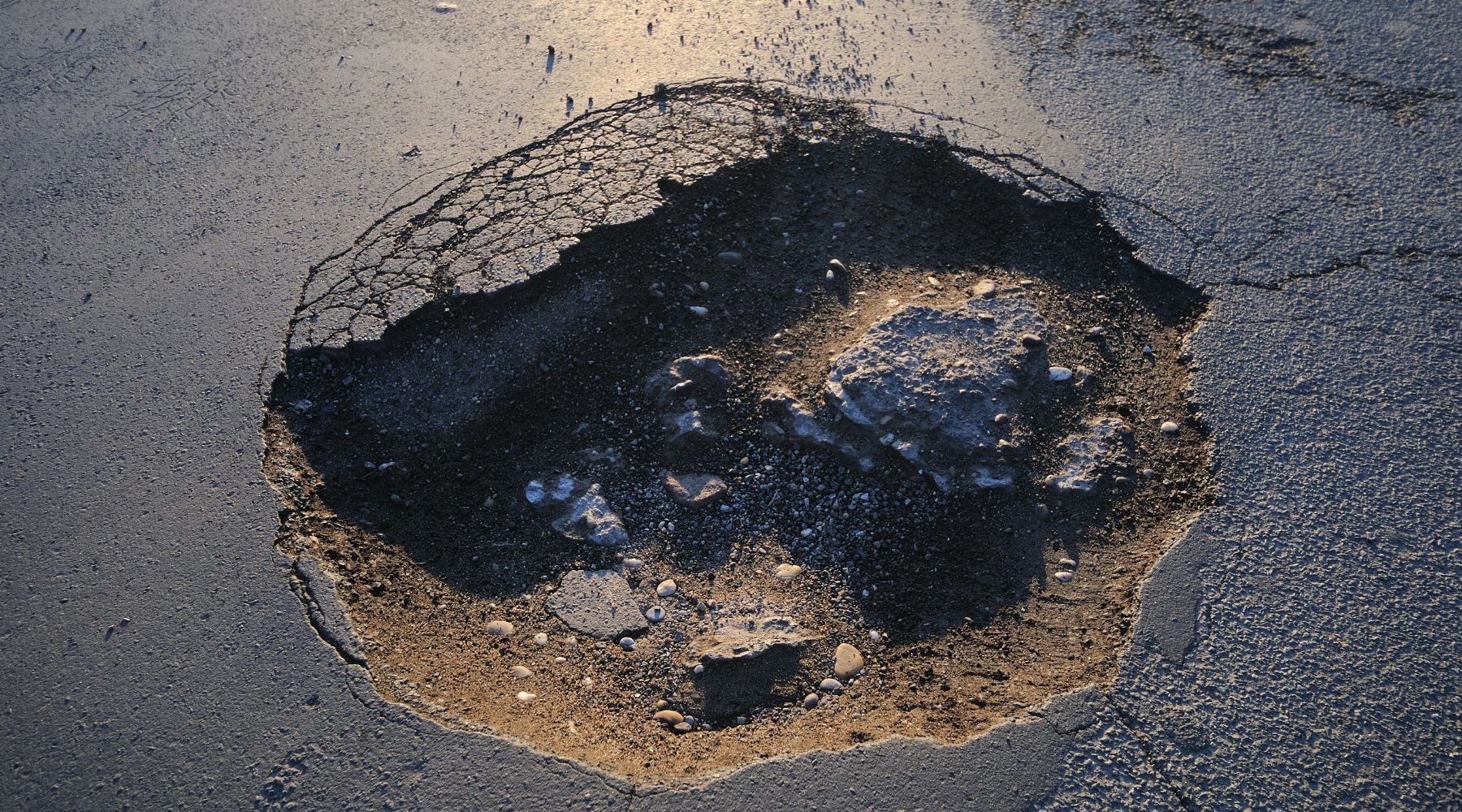
Bitumen driveways are popular for their strength and value. But over time, they crack, fade, and wear out.
With the right approach, you can repair damage early, avoid bigger costs, and keep your driveway looking sharp.
Key Takeaways
-
Bitumen is strong, flexible, and ideal for driveways.
-
Small cracks and potholes are early warning signs.
-
You can do minor repairs yourself, but bigger damage needs a professional.
-
Patch repairs suit small areas; resurfacing suits worn, larger areas.
-
Simple, regular maintenance will extend the life of your driveway.
What Is Bitumen and Why Is It Good for Driveways?
Bitumen is a thick, black material made from crude oil. It is sticky, waterproof, and binds stones together to form a solid surface.
Why Bitumen Works Well for Driveways
Bitumen is used widely because it offers:
-
Durability – stands up to heavy traffic and harsh weather
-
Flexibility – moves slightly with temperature changes, reducing cracking
-
Water resistance – helps protect the base from moisture
-
Cost-effectiveness – long-lasting and often cheaper than other options
When installed and maintained properly, a bitumen driveway can perform well for many years.
Signs Your Bitumen Driveway Needs Repairs
Catching issues early can save you money and prevent safety risks.
Common Damage Indicators
Look out for:
-
Cracks – hairline cracks that slowly spread or join together
-
Potholes – holes or depressions where the surface has broken away
-
Surface wear – rough patches, loose stones, or faded colour
-
Pooling water – low spots where water stays after rain
These are all signs that your driveway needs attention.
Why Prompt Repairs Matter
If you ignore early damage:
-
Cracks allow water into the base
-
Water weakens the structure and widens the damage
-
Small problems can turn into major failures
Timely repairs keep the surface safe, control costs, and extend the life of your driveway.
Bitumen Driveway Repairs: DIY or Professional?
You have two main choices:
-
DIY repairs for minor issues
-
Professional repairs for deeper, wider, or ongoing damage
When DIY Repairs Can Work
DIY repairs may suit:
-
Small cracks
-
Minor potholes
-
Limited surface wear in low-traffic areas
You’ll need:
-
Cold asphalt patch or repair mix
-
Crack fillers or sealants
-
Basic tools such as a shovel, broom, trowel, and hand tamper
DIY can be a good short-term fix if you follow instructions and prepare the surface well.
When to Call a Professional
Choose a professional contractor when:
-
Potholes are deep or widespread
-
Cracks keep returning after repair
-
The driveway feels soft, uneven, or has base failure
-
You want a long-term solution or full resurfacing
Professionals bring:
-
Experience with bitumen and base repairs
-
High-quality materials and equipment
-
Correct thickness, compaction, and drainage design
This gives you a safer, stronger surface that lasts longer.
Choosing the Right Repair Method
The best method depends on the type and extent of damage.
Patch Repairs for Minor Damage
Patch repairs work well for small areas. They are a quick, cost-effective way to fix localised problems.
Typical patch repair steps:
-
Clean the area – remove loose material, dirt, and debris
-
Cut neat edges (if needed) – square up the damaged area
-
Repair the base – fill and compact any soft spots
-
Add patch material – place hot or cold mix asphalt or bitumen patch
-
Compact the surface – using a hand tamper or compactor
-
Blend the edges – so the patch joins smoothly with the existing driveway
Patch repairs help stop further damage and restore a smoother surface.
Resurfacing for Worn or Heavily Damaged Driveways
If the driveway has many cracks or large worn areas, resurfacing is often the better option.
Resurfacing involves:
-
Inspection – assess the current surface and base
-
Preparation – clean the driveway and repair serious base failures
-
Tack coat – apply a bonding layer so the new surface sticks properly
-
New bitumen layer – lay and spread a fresh, even layer of asphalt
-
Compaction – roll and compact to achieve a smooth, tight finish
Resurfacing:
-
Gives the driveway a “like new” look
-
Extends its life by many years
-
Can be more cost-effective than constant patching
Looking After Your Driveway After Repairs
Once repairs are done, regular care will help keep your driveway in good condition.
Simple Maintenance Tips
-
Inspect your driveway a few times a year
-
Sweep away leaves, dirt, and loose stones
-
Keep drains and edges clear so water can flow away
-
Deal with small cracks quickly before they spread
-
Avoid harsh chemicals that can weaken the surface
Seasonal Care
Different seasons can stress your driveway in different ways:
-
Summer – Heat can soften bitumen. Try not to turn steering wheels sharply while parked.
-
Autumn – Clear leaves and debris so they don’t trap moisture.
-
Winter – Watch out for water sitting on the surface; if it freezes, it can worsen cracks.
-
Spring – Check for new damage after wet or cold weather and arrange repairs early.
A little routine care goes a long way in protecting your driveway and your repair investment.
Benefits of Keeping Up With Bitumen Repairs
Staying on top of repairs gives you:
-
Better appearance – a neat driveway boosts street appeal
-
Improved safety – fewer trip hazards and smoother driving
-
Lower long-term costs – small fixes are cheaper than full rebuilds
-
Longer life – your driveway structure stays stronger for longer
Combined with professional workmanship, bitumen repairs are a smart, cost-effective way to maintain your property.
Conclusion
Bitumen driveway repairs don’t have to be complex.
By:
-
Watching for early signs of damage
-
Choosing the right repair method
-
Knowing when to call a professional
-
Following simple maintenance routines
If you manage your repairs and maintenance regularly, your bitumen driveway will continue to add value and appeal to your property for many years.
FAQ: Bitumen Driveway Repairs
What are the first signs my bitumen driveway needs repair?
Fine cracks, small potholes, worn patches, and areas where water sits are all early warning signs.
Can I repair my driveway myself?
Yes, you can handle minor cracks and small potholes with DIY products. For deep, widespread, or recurring damage, it’s best to use a professional.
How often should I check my driveway?
Check at least twice a year, and after heavy rain, heatwaves, or extreme weather.
When is resurfacing better than patching?
Resurfacing is usually better when:
-
There are lots of cracks and patches
-
The surface looks very tired or uneven
-
Patching no longer lasts very long
How long do repairs last?
Quality repairs, done with the right materials and preparation, can last many years, especially when paired with good drainage and regular maintenance.